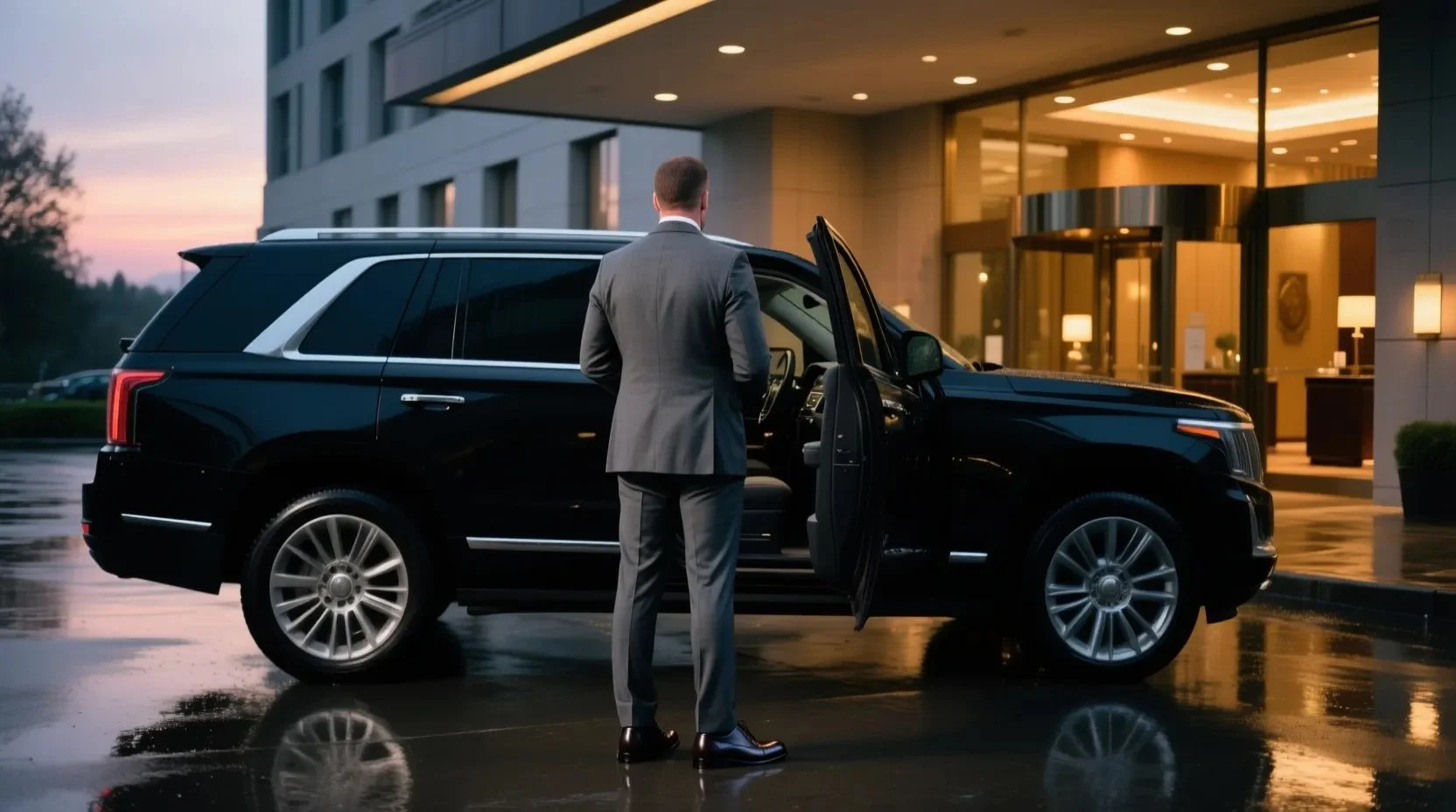
Your clothing affects your movement, visibility, comfort, and the impression you create. Dress for the assignment.
Key takeaways
- Dress for the assignment. The question is straightforward: can you perform the assignment in what you are wearing?
- Before choosing an outfit, consider the principal’s expectations, the venue’s dress code, the activities planned, the weather, and your position on the detail.
- Test the complete outfit with your actual equipment: sit in the vehicle, fasten the seat belt, bend, reach, and kneel.
- Break in shoes before duty and choose footwear for the walking and standing the assignment may require.
- Tactical clothing is not inherently wrong, but it needs a practical reason. Select attire that supports the intended level of visibility.
An executive protector can look excellent and still be poorly dressed for the job. A sharp suit can restrict movement. Polished shoes can lose traction. Tactical clothing can attract attention to a principal who wanted a quiet afternoon.
Professional appearance matters. But appearance must work with the assignment’s practical demands. Your clothing should allow you to move, carry authorized equipment securely, and remain effective through changes in location, weather, and schedule.
The question is straightforward: Can you perform the assignment in what you are wearing?
How should an executive protector decide what to wear?
Before choosing an outfit, consider the principal’s expectations, the venue’s dress code, the activities planned, the weather, and your specific position on the detail. Confirm requirements with the detail leader when needed.
An agent accompanying a principal into a formal dinner may need different clothing from an agent handling vehicles or working an outdoor perimeter. Coordinate the team’s standard while allowing for those differences.
Think beyond the first appointment. A day that begins in an office may continue through an airport, a restaurant, and an outdoor arrival. Carry the clothing needed for foreseeable transitions.
What should a bodyguard wear to business meetings?
A properly fitted suit or tailored trousers and a jacket will suit many business settings. Use restrained colors and maintain your clothing and shoes carefully.
Fit must account for the equipment you actually carry. Test the outfit while sitting, reaching, bending, and entering the assigned vehicle. A jacket that hangs correctly while you stand still may behave very differently when you move.
What should a bodyguard wear to formal events and premieres?
Follow the stated dress code and confirm expectations before reporting. If black tie applies to your position inside the event, wear the appropriate formal attire.
Avoid accessories that interfere with your work. Footwear must remain secure and comfortable during long periods standing and walking. An elegant entrance does not compensate for poor mobility later in the evening.
What to wear for casual outings and family activities
Shopping, casual dining, and family outings often call for understated civilian clothing. Depending on the location, that may mean a plain shirt, polo, casual button-down, chinos, or dark jeans.
Dress at a level that fits the environment and the principal’s preferences. Avoid making yourself the first thing people notice. Some assignments require visible security. Others depend on discretion. Clothing should support that decision.
What to wear for airports and travel
Travel clothing needs to accommodate long periods seated, baggage handling, temperature changes, and work immediately after arrival. Choose breathable layers, secure pockets, and supportive shoes.
Keep an appropriate change of clothing accessible. If checked baggage is delayed, you should still be able to report suitably dressed for the next commitment.
Film sets and production locations
Dress for the actual working location. A controlled studio, a dusty exterior set, and a night shoot in wet conditions require different choices.
Wear practical clothing and suitable footwear. Follow site requirements for protective equipment and credentials. Secure loose items that could catch on equipment. Your appearance should fit the production environment while allowing you to maintain your position and move safely.
Residential and outdoor assignments
Residential protection may call for business casual clothing, a uniform, or practical outdoor attire. Follow the account’s standard and prepare for any requirement to accompany the principal off property.
For outdoor work, prioritize traction, weather protection, and layers appropriate to the terrain. During fitness or recreational activities, choose clothing that supports the movement your position requires. Secure equipment before the activity begins.
Three attire mistakes that can change an assignment
The following fictional scenarios illustrate realistic problems. They are not accounts of actual assignments.
The shoes that looked right
An agent selects new dress shoes for an evening restaurant assignment. The plan calls for a short walk from the vehicle to the entrance.
The drop-off changes. The principal walks several blocks, and the agent then spends an extended period standing. The shoes begin rubbing his heels. At the entrance, a smooth floor exposes another problem: poor traction.
The agent can continue working, but every step now requires attention. A clothing choice has introduced discomfort and uncertainty into a routine movement.
The lesson: Break in shoes before duty and test their grip. Choose footwear for the walking and standing the assignment may require, including reasonable changes to the plan.
The outfit that announced the detail
An agent arrives for a quiet shopping outing wearing tactical trousers, heavy boots, and a fitted black shirt. His clothing is clean and functional, but conspicuous in that setting.
Before the principal leaves the vehicle, a store employee notices him and asks whom he is protecting. Nearby customers turn to look.
The agent’s appearance has drawn attention to the arrival before the principal enters the store. Clothing alone cannot determine whether someone is recognized, but it can create an unnecessary cue.
The lesson: Technical clothing needs a practical reason. Select attire that supports the intended level of visibility.
The jacket that failed in motion
An agent checks a tailored jacket in the mirror. It looks sharp, and his equipment is concealed while he stands upright.
At the first vehicle stop, he reaches forward to assist with a door. The jacket tightens across his shoulders and rides up, briefly exposing equipment at his waist. He spends the rest of the evening adjusting it whenever he sits or reaches.
The problem was present before the assignment. He simply had not tested the outfit in the positions the work required.
The lesson: Check the complete outfit with your actual equipment. Sit in the vehicle, fasten the seat belt, bend, reach, and kneel. Resolve restrictions and unintended exposure before reporting.
What should never make it onto the detail?
Clothing that restricts necessary movement has no place on an assignment. Neither does footwear with an insecure fit, unsuitable traction, or unresolved discomfort.
Avoid political slogans, offensive graphics, and aggressive messaging. You represent the principal and your employer. Your personal statements should not become part of their public appearance.
Never use clothing, badges, or identifiers to misrepresent your authority. Use only identification authorized for your role.
Leave unsecured accessories and unnecessary dangling items at home. Where credentials are required, wear them in a manner suitable for the site’s requirements and the work.
Dirty clothing, stained collars, damaged garments, and neglected footwear undermine professional presentation. Maintain your clothing and keep replacements available.
Strong fragrance can become a problem during hours in a vehicle or close to the principal. Keep it minimal. Remove sunglasses when lighting conditions or communication require it.
Tactical clothing, uniforms, boots, and high-visibility garments are not inherently wrong. Their suitability depends on the assignment. Wear them because they serve a purpose, not because they create a preferred image of a protector.
Make the final check before you report
Inspect your clothing with everything you intend to carry. Check movement, concealment, pocket security, traction, and comfort. Use the actual vehicle where practical. Confirm the dress requirements for the full itinerary and prepare a spare outfit appropriate to the work.
If something pulls, slips, exposes equipment, or needs repeated adjustment, fix it before the principal arrives. Your attention will be needed elsewhere.
Frequently asked questions
What do bodyguards and executive protection agents wear?
It depends on the assignment. Consider the principal’s expectations, the venue’s dress code, the activities planned, the weather, and your specific position on the detail. Your clothing should allow you to move, carry authorized equipment securely, and remain effective through changes in location, weather, and schedule.
Do executive protection agents always wear suits?
No. A properly fitted suit or tailored trousers and a jacket will suit many business settings. Shopping, casual dining, and family outings often call for understated civilian clothing, such as a plain shirt, polo, casual button-down, chinos, or dark jeans. Residential protection may call for business casual clothing, a uniform, or practical outdoor attire.
Should executive protection agents wear tactical clothing?
Only when it serves a purpose. Tactical clothing, uniforms, boots, and high-visibility garments are not inherently wrong; their suitability depends on the assignment. On a quiet shopping outing, tactical trousers, heavy boots, and a fitted black shirt can draw attention to the principal’s arrival. Some assignments require visible security, others depend on discretion, and clothing should support that decision.
What shoes should an executive protection agent wear?
Footwear that stays secure and comfortable through long periods of standing and walking, with traction suited to the surfaces you will work on. Break in shoes before duty, test their grip, and choose them for the walking and standing the assignment may require, including reasonable changes to the plan.
What should a protection agent never bring onto a detail?
Clothing that restricts necessary movement, footwear with an insecure fit or unsuitable traction, political slogans, offensive graphics, or aggressive messaging, and any clothing, badges, or identifiers that misrepresent your authority. Leave unsecured accessories and dangling items at home, keep fragrance minimal, and do not report in dirty, stained, or damaged clothing.
How should an agent check an outfit before an assignment?
Inspect your clothing with everything you intend to carry. Check movement, concealment, pocket security, traction, and comfort, and use the actual vehicle where practical. If something pulls, slips, exposes equipment, or needs repeated adjustment, fix it before the principal arrives.