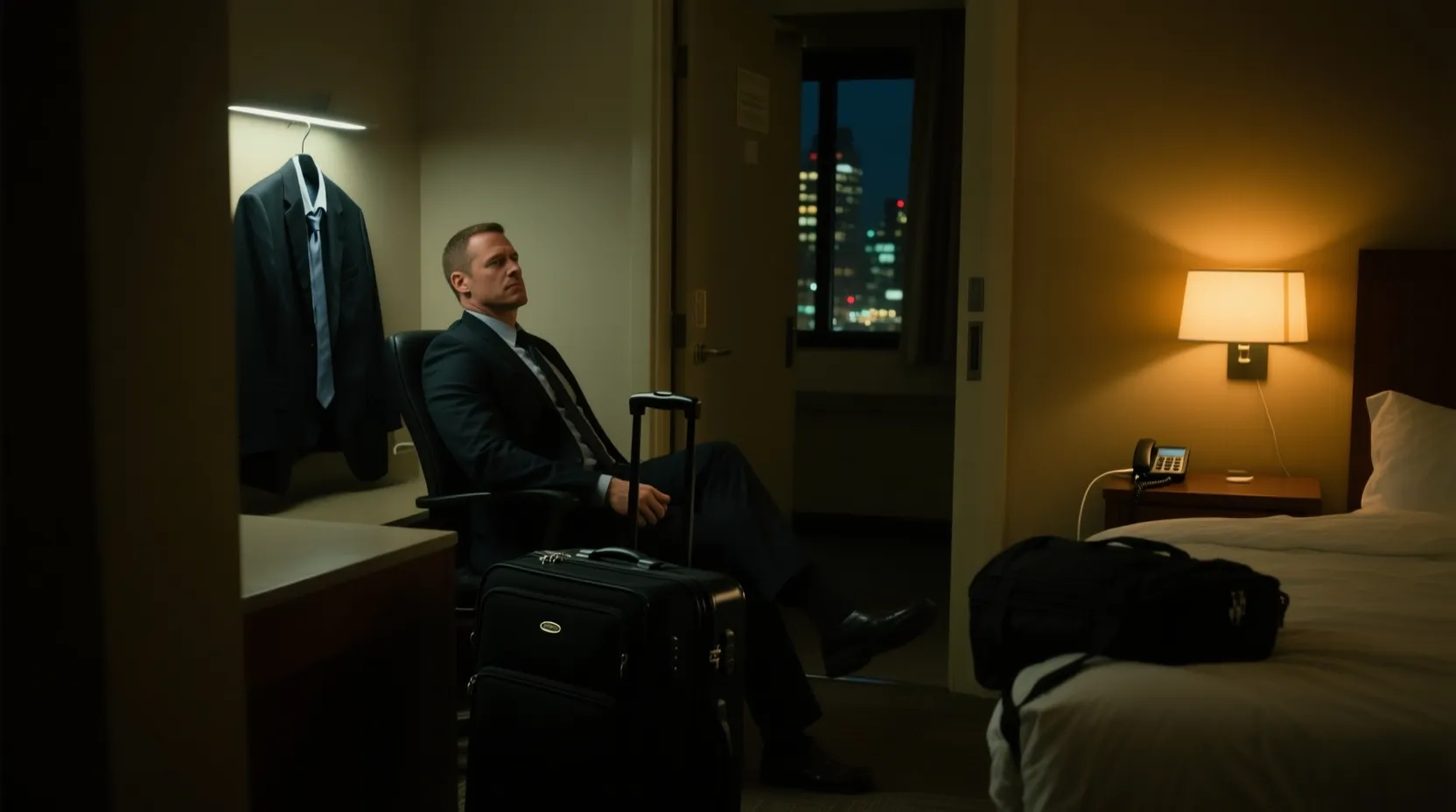
You get home at 6 p.m. after a week of early pickups, late finishes, and schedule changes. You leave again at 6 p.m. tomorrow. There’s laundry in the bag, a client message on your phone, and a list of things you promised to handle when you got back. If you start with the list, you can spend the whole day off working.
The best use of 24 hours is to protect one full night of sleep and give yourself a few hours without an assignment. Put the work that genuinely has to happen into a short, defined window.
Key takeaways
- Protect one full night of sleep and give yourself a few hours without an assignment.
- Close out the detail first: send the handoff, flag anything unresolved, and write down what you need to do before your next departure.
- Do your departure prep in one block, and leave with time to spare.
- If you’re repeatedly too tired to take the next assignment safely, raise it with whoever owns scheduling.
Close out the detail
Send the handoff. Flag anything unresolved, name who owns it, and tell the team how to reach you if it can’t wait. If coverage allows, let the designated lead handle routine messages. Write down the one or two things you need to do before your next departure. Once they’re on paper, you can stop running through them over dinner.
Start the laundry you actually need. Eat a meal, drink some water, and take a shower. If you have the energy, take an easy walk. After a week of fitting meals and movement around somebody else’s schedule, there’s value in doing both at your own pace.
Set bedtime before you make plans
Work backward from when you need to wake up. Give yourself a full night in bed. If you get home late, save the errands and repacking for the morning unless they truly need to happen that night. A late dinner out may be worth it on a longer break. On a one-night turnaround, an early dinner at home can give you time with your family and still let you get to bed on time.
Keep part of the next day free
Have breakfast. Take a walk, read, or sit outside with your coffee. Spend time with someone you’ve been looking forward to seeing. Pick something you’d enjoy even if you got nothing else done that day. If you want to train, choose a session that fits how you feel after the trip. The hard workout you missed on Wednesday can wait.
Prepare once, then leave with time to spare
Set aside a block before departure to confirm your flight or pickup, check the next report time, repack your bag, charge your equipment, and put a meal or snack where you can reach it. Give yourself enough time to leave without rushing. If the schedule changes, handle the change and go back to your time off.
If you’re repeatedly coming off the road too tired to take the next assignment safely, raise it with whoever owns scheduling. Ask for a later report time or relief coverage. If you’re too tired to drive, get another driver.
The next time you see a 24-hour gap on your calendar, block your sleep and your departure prep before you say yes to anything else. Leave a few hours open on purpose.
Frequently asked questions
How do executive protection agents recover between details?
On a 24-hour turnaround, the best use of the time is to protect one full night of sleep and give yourself a few hours without an assignment. Put the work that genuinely has to happen into a short, defined window.
What should an agent do first after getting home from a detail?
Close out the detail. Send the handoff, flag anything unresolved, name who owns it, and tell the team how to reach you if it can’t wait. Write down the one or two things you need to do before your next departure. Then start the laundry you actually need, eat a meal, drink some water, and take a shower.
How should an agent prepare for the next departure?
Set aside a block before departure to confirm your flight or pickup, check the next report time, repack your bag, charge your equipment, and put a meal or snack where you can reach it. Give yourself enough time to leave without rushing.
What if an agent is too tired to take the next assignment?
If you’re repeatedly coming off the road too tired to take the next assignment safely, raise it with whoever owns scheduling. Ask for a later report time or relief coverage. If you’re too tired to drive, get another driver.
Related on EP Journal: Silent Stress: Why Downtime Can Exhaust a Protection Agent · The Executive Protector Lifestyle
About the author